Pregnancy is an extraordinary journey, but it also brings significant changes to your body—some expected, others less discussed. If you’re pregnant, recently postpartum, or planning to return to exercise, understanding this condition is key to protecting your core, your pelvic floor, and your long-term health.
What is Diastasis Recti?
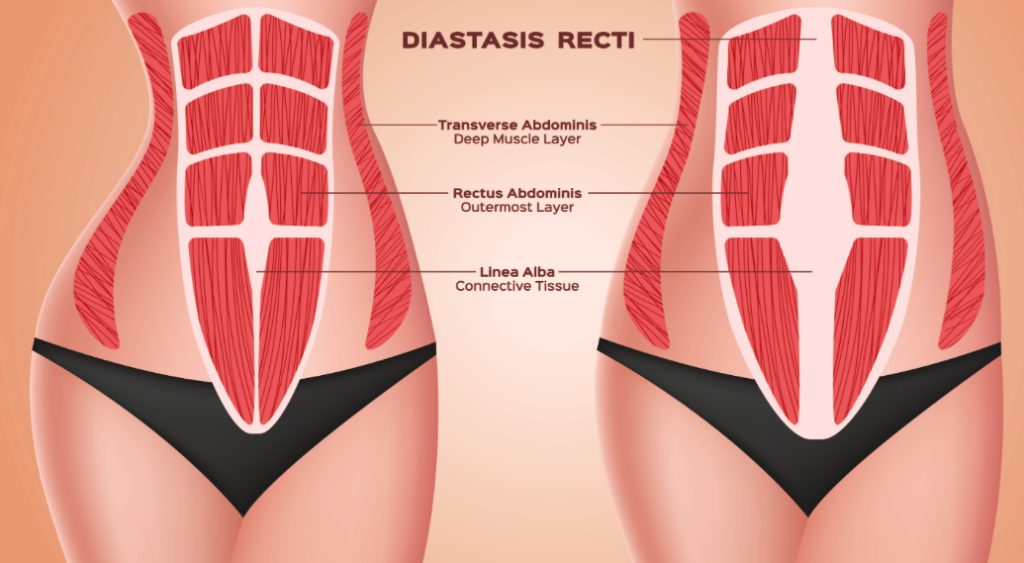
Diastasis recti is a separation of the two sides of the rectus abdominis (your “six-pack” muscles), caused by the stretching of the connective tissue between them, known as the linea alba.
As your baby grows, your abdomen expands to accommodate it. This natural process places increasing tension on the abdominal wall, and in many women, the linea alba thins and widens. This results in a visible or palpable gap along the midline of the abdomen.
It’s important to emphasize: Diastasis recti is very common and not a “failure” of your body. In fact, most women will develop some degree of separation during pregnancy.
Why Does It Happen?
Several factors contribute to diastasis recti:
● Hormonal changes: Hormones like relaxin soften connective tissues, making them more elastic.
● Mechanical stretch: The growing uterus places continuous pressure on the abdominal wall.
● Load management: Poor movement patterns or excessive intra-abdominal pressure (e.g., straining, breath-holding) can worsen the separation.
● Individual factors: Genetics, multiple pregnancies, and high-impact exercise without proper core control may increase risk.
Can You Prevent It During Pregnancy?
You can’t always prevent diastasis recti—but you can absolutely support your body and reduce its severity.
Key principles:
1. Breathing and Pressure Management
Learning how to coordinate your breath with movement is essential.
● Exhale during effort (e.g., when standing up, lifting, or exercising)
● Avoid holding your breath (Valsalva maneuver)
2. Deep Core Activation
Focus on the transversus abdominis (your deep corset muscle):
● Gentle “hugging in” sensation around your bump
● No aggressive pulling in or bracing
3. Modify Exercises Safely
Not all exercise is off-limits—but some movements need adjusting:
● Avoid intense crunches or sit-ups
● Be cautious with heavy lifting without proper control
● Watch for “doming” or bulging along the midline
4. Posture and Daily Habits Matter
How you move throughout the day is just as important as exercise:
● Roll onto your side to get out of bed
● Avoid pushing through strain when getting up or lifting
How Do You Know If You Have It?
Common signs include:
● A visible bulge or “doming” along the midline when you sit up
● A feeling of weakness in your core
● Lower back discomfort
● Difficulty generating core strength
A proper assessment by a women’s health physiotherapist goes beyond measuring the gap—we assess tension, depth, and function, which are far more clinically relevant.
Why Postnatal Recovery is Essential
Many women are cleared for exercise at 6 weeks postpartum without any assessment of their abdominal wall or pelvic floor. However, true recovery takes time, guidance, and progression.
Without proper rehabilitation, diastasis recti can contribute to:
● Persistent core weakness
● Back or pelvic pain
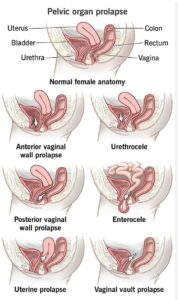
● Pelvic floor dysfunction (including incontinence or prolapse)
● Reduced performance in sport or exercise
What Does Recovery Involve?
Postnatal rehab is not about “closing the gap” as quickly as possible—it’s about restoring function, strength, and control.
A structured recovery typically includes:
1. Reconnection to Breath and Core We rebuild the link between:
● Diaphragm
● Deep abdominals
● Pelvic floor
2. Progressive Strength Training Gradual loading of the abdominal wall:
● Starting with low-load activation
● Progressing to functional and eventually dynamic movements
3. Pelvic Floor Integration
Your core and pelvic floor work as a team. Ignoring one affects the other.
4. Return-to-Exercise Planning
Whether your goal is running, lifting, or simply feeling strong again, your rehab should be tailored:
● No “one-size-fits-all” programs
● No rushing into high-impact exercise
The Role of Physiotherapy
As a specialist in pelvic health and sport, our role is to:
● Assess your abdominal wall and pelvic floor holistically
● Identify compensations or movement patterns that may delay recovery
● Guide you through a safe and effective progression
● Support your return to the activities you love—without fear or symptoms
Diastasis recti is not just a cosmetic concern—it’s a functional one. But with the right guidance, your body is incredibly capable of recovery.
Whether you’re pregnant or postpartum, investing in your core health now will pay off for years to come.
If you’re unsure where to start, a personalised assessment can make all the difference.
Book your assessment here: