A regular menstrual cycle is a fundamental indicator of women’s health. Changes such as irregular periods, painful menstruation, PMS, bloating, or hormonal fluctuations often reflect deeper imbalances involving the pelvic floor, the endocrine system, stress levels, and lifestyle habits. Many women seek support for these symptoms, and pelvic floor physiotherapy has become an increasingly effective and holistic approach to improving menstrual health and cycle regularity.
Understanding the Menstrual Cycle
A healthy menstrual cycle usually ranges from 21 to 35 days. Although each woman’s pattern is unique, consistency is key. The cycle has four main phases:
● Menstrual phase: Hormone levels drop, the uterine lining is shed, and cramps or lower-back discomfort may occur.
● Follicular phase: Rising estrogen increases energy levels and prepares the body for ovulation.
● Ovulation: A surge in hormones releases an egg; some women notice mild pelvic sensations or increased libido.
● Luteal phase: Progesterone rises; if pregnancy does not occur, symptoms such as bloating, mood changes, or breast tenderness may appear.
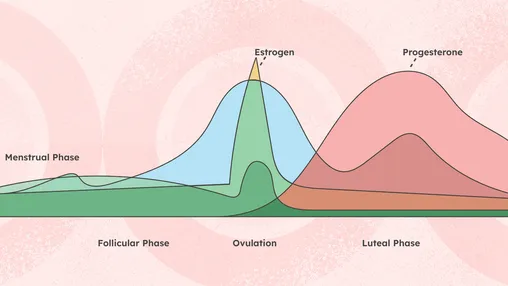
A predictable cycle usually reflects a well-regulated hormonal system, balanced stress response, and healthy pelvic function.
Common Causes of Irregular Cycles
Many factors can disrupt menstrual regularity or increase pain:
● Chronic stress and nervous system dysregulation
● Excessive pelvic floor tension
● Hormonal conditions (PCOS, thyroid issues)
● High-intensity training or overexercise
● Low caloric intake or nutrient deficiencies
● Digestive dysfunction and inflammation
● Sleep disturbances
● Contraceptive changes
● Perimenopause
Although medical evaluation is important, pelvic floor health is often overlooked despite its strong influence on menstrual symptoms.
How Pelvic Floor Physiotherapy Supports Menstrual Health
Pelvic floor physiotherapy focuses on restoring balance to the muscles, nerves, and structures of the pelvis—key factors in hormonal and menstrual regularity.
1. Reducing Pelvic Floor Tension
Excess tension can worsen cramps, restrict blood flow, and increase pelvic pain. Physiotherapy techniques such as manual therapy, myofascial release, and breathing retraining help relax the pelvic floor and reduce discomfort during the menstrual cycle.
2. Improving Blood Flow and Mobility
Good circulation in the pelvis supports healthy ovulation and reduces inflammation. Physiotherapy can enhance mobility of the pelvic organs, fascia, and surrounding muscles, helping regulate bleeding patterns and reduce heaviness or congestion.
3. Regulating the Nervous System
Stress has a direct impact on hormone production and ovulation. Techniques such as diaphragmatic breathing, vagus nerve–focused exercises, and relaxation strategies help restore nervous system balance, promoting more predictable cycles.
4. Enhancing Core and Postural Alignment
Poor posture and dysfunctional breathing create pressure imbalances in the abdomen and pelvis. Correcting these patterns can decrease PMS symptoms, improve digestion, and reduce lower-back and pelvic discomfort.
5. Natural Pain and PMS Management
Physiotherapy offers non-pharmacological tools to manage menstrual pain, including soft-tissue therapy, stretching, strengthening, and biofeedback. These approaches improve movement quality and reduce inflammation and pelvic tension.
Lifestyle and Nutrition for a Healthier Cycle
Complementing physiotherapy with targeted lifestyle habits provides optimal results. Key recommendations include:
● Adequate protein and healthy fats for hormone production
● Magnesium-rich foods to ease cramps
● Balanced meals to stabilise blood sugar
● Limiting caffeine and alcohol if cycles are irregular
● 7–9 hours of quality sleep
● Hydration to support circulation
● Moderate exercise rather than excessive high-intensity training
Small, consistent adjustments can significantly improve cycle regularity and symptoms.
When to Seek Professional Support
Professional assessment is recommended when cycles are consistently irregular, painful, or accompanied by pelvic symptoms such as urinary urgency, constipation, pain with intercourse, or pelvic pressure. A pelvic floor physiotherapist can identify musculoskeletal or functional contributors and provide a personalised treatment plan.
Conclusion
A regular menstrual cycle is a key marker of women’s overall health. By addressing pelvic floor dysfunction, improving circulation, regulating the nervous system, and supporting lifestyle balance, pelvic floor physiotherapy offers an effective, holistic approach for women experiencing irregular periods, painful cycles, and hormonal symptoms. If menstrual health concerns persist, specialised pelvic care can offer long-term relief and greater cycle stability.
Book an appointment now