Skip to content

Summary
After having a baby, your pelvic floor may feel different. You might notice urine leakage when you cough or sneeze, a feeling of heaviness in your pelvis, discomfort around your perineum, or difficulty feeling your pelvic floor muscles working as they used to.
These changes are common after pregnancy and childbirth, but that does not mean you simply have to accept them as part of being a mother.
Your pelvic floor muscles have supported the increasing weight of your pregnancy and may have been stretched or affected during birth. Recovery takes time, and every woman’s experience is different. Some symptoms improve naturally over the first weeks and months, while others may benefit from specific assessment and treatment.
Pelvic floor problems can occur after both vaginal birth and caesarean section, as pregnancy itself places significant demands on the pelvic floor.
At My French Physio, our Women’s Health Physiotherapists look at the pelvic floor as part of the wider body. We assess your symptoms, breathing, abdominal muscles, movement and pelvic floor function to understand what may be contributing to your difficulties and create an individual rehabilitation plan.
The aim is not simply to tell you to do Kegels. It is to help you understand what is happening in your body and what you can do to recover with confidence.
What Happens to Your Pelvic Floor After Childbirth?
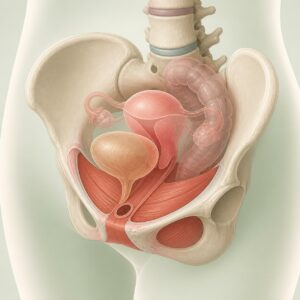
Your pelvic floor is a group of muscles and connective tissues that support your pelvic organs, help control your bladder and bowel, and contribute to sexual function.
During pregnancy, these structures adapt to the increasing load placed on them. During vaginal birth, the muscles and surrounding tissues also stretch significantly as your baby passes through the birth canal.
Following childbirth, you may notice that your pelvic floor feels weaker, less responsive or more difficult to coordinate. You might even struggle to feel a contraction at all during the early stages of recovery.
This does not automatically mean that you have permanent damage.
Recovery takes time, and symptoms can change as swelling settles, tissues heal and muscle function gradually improves.
However, understanding which changes are expected and which deserve further assessment is important.
What Pelvic Floor Symptoms Are Common After Birth?
There are several symptoms you may experience during the postpartum period.
1. Leaking Urine When You Cough, Sneeze or Exercise
Urinary leakage is one of the most common pelvic floor complaints after childbirth.
You might notice a small amount of urine leaking when you:
- Cough or sneeze
- Laugh
- Lift your baby or a heavy object
- Run, jump or exercise
- Move suddenly or change position
This is often called stress urinary incontinence. It can happen when the pelvic floor muscles are not providing sufficient support or are struggling to coordinate with changes in abdominal pressure.
Some women also experience a sudden, urgent need to urinate or difficulty reaching the toilet in time.
Although urine leakage is common after pregnancy, it is not something you need to simply put up with. Pelvic floor muscle training, when appropriate and correctly performed, can help improve bladder control. A physiotherapy assessment can help determine the most suitable approach for you.
2. A Feeling of Heaviness or Pressure in the Pelvis
Have you ever felt as though something is dragging downwards in your vagina, particularly after standing for a long time or towards the end of the day?
You might describe the sensation as:
- Heaviness in the vagina
- Pressure in the pelvis
- A dragging sensation when walking or standing
- A feeling that something is falling out
- A visible or palpable bulge at the vaginal opening
These symptoms can sometimes be associated with pelvic organ prolapse, which occurs when one or more pelvic organs descend towards or into the vagina because their supporting structures are not providing sufficient support.
Not every sensation of heaviness means that you have a prolapse. However, persistent pressure, a vaginal bulge or symptoms that worsen with activity deserve assessment.
Your physiotherapist can assess your symptoms and help you understand how your pelvic floor is functioning, whether prolapse may be contributing and what treatment options are appropriate.
3. Difficulty Feeling or Contracting Your Pelvic Floor
Some women find it surprisingly difficult to identify their pelvic floor muscles after childbirth.
You may try to squeeze the muscles but feel very little movement. Alternatively, you may notice that you hold your breath, tighten your buttocks or clench your abdominal muscles instead.
This can happen because the pelvic floor muscles and their coordination have been affected by pregnancy and birth.
The answer is not necessarily to squeeze harder.
Your pelvic floor needs to be able to contract, relax and coordinate with your breathing and movement. If you are struggling to feel the muscles or are unsure whether you are exercising correctly, a specialist assessment can help you understand what is happening and guide your rehabilitation.
4. Perineal Pain or Discomfort Around Your Scar
If you had a vaginal birth, particularly one involving a tear or episiotomy, you may experience soreness, tenderness or a pulling sensation around the perineum.
Some discomfort is expected during early healing, and stitches may feel tight or irritating as the tissues recover.
However, pain should generally improve rather than progressively worsen.
If your scar remains sensitive, you experience pain when sitting or walking, or the area feels tight when you return to sexual activity, there may be ways to help.
Depending on your healing and symptoms, treatment may include scar management, gentle movement, relaxation strategies and appropriate hands-on techniques.
If you have increasing pain, redness, swelling, fever or unusual or foul-smelling discharge, contact your maternity team or GP promptly, as these can be signs of infection or another complication.
5. Pain During Sex After Having a Baby
Returning to sex after childbirth can feel different from what you experienced before pregnancy.
Some women notice dryness, sensitivity around their scar, discomfort at the vaginal entrance or deeper pelvic pain.
Hormonal changes, particularly during breastfeeding, can contribute to vaginal dryness. Pelvic floor muscle tension, scar sensitivity and other gynaecological factors may also play a role.
You should not feel that you have to push through pain or return to sexual activity before you feel ready.
If sex remains painful, an assessment can help identify possible contributing factors and determine whether pelvic floor physiotherapy may be helpful.
6. Difficulty Controlling Wind or Bowel Movements
Bowel symptoms are another important part of postpartum pelvic health, although they are not always discussed openly.
You may experience difficulty controlling wind, a sudden urge to open your bowels, leakage of stool or difficulty coordinating your muscles when passing a bowel movement.
These symptoms deserve particular attention after childbirth, especially if you experienced a significant perineal tear.
Do not assume that losing control of wind or stool is simply part of recovering from birth. Contact your GP or maternity team for assessment. Depending on your symptoms, you may benefit from specialist pelvic health physiotherapy and further medical investigation.

What Is Normal, and When Should You Seek Help?
It can be difficult to know whether you should give your body more time to recover or arrange an appointment.
A useful starting point is to consider the nature of your symptoms, how long they have been present and whether they are improving.
Changes that can be expected during early recovery include:
- Temporary soreness and swelling around the perineum after vaginal birth
- Reduced pelvic floor sensation or strength during the early postpartum period
- Some difficulty coordinating pelvic floor contractions initially
- Fatigue and discomfort as your body heals
These symptoms should be considered in the context of your birth experience and overall recovery.
Symptoms that deserve assessment include:
- Urine leakage that persists or affects your daily activities
- A feeling of heaviness, pressure or a bulge in the vagina
- Difficulty controlling wind or stool
- Persistent perineal or pelvic pain
- Pain during sex
- Difficulty emptying your bladder or bowel
- Symptoms that worsen when you return to walking, lifting or exercise
- A pelvic floor that feels difficult to contract or relax
You do not need to wait until your six-to-eight-week postnatal check if you are worried about your symptoms. You can contact your midwife, GP or an appropriate pelvic health professional earlier.
Can You Have Pelvic Floor Problems After a Caesarean Section?
Yes.
It is a common misconception that pelvic floor problems only occur after vaginal birth.
Although vaginal delivery can place additional physical demands on the pelvic floor, pregnancy itself involves changes in load, pressure and the tissues supporting your pelvic organs.
This means that women who have had a caesarean section can also experience urinary leakage, pelvic heaviness, pelvic pain or difficulties with abdominal and pelvic floor coordination.
Recovery after a caesarean also involves healing from abdominal surgery, which may influence how you move, breathe and manage pressure through your trunk.
Your rehabilitation should therefore consider your individual pregnancy, birth experience, surgical recovery and symptoms rather than focusing exclusively on the type of delivery.
How Can Pelvic Floor Physiotherapy Help After Childbirth?
Pelvic floor physiotherapy can help you understand your symptoms, assess your muscle function and develop a rehabilitation plan suited to your stage of recovery.
Treatment will depend on your assessment findings, but it may include the following.
Pelvic Floor Strength and Coordination
If your pelvic floor muscles need to improve their strength or endurance, your physiotherapist may introduce a tailored pelvic floor muscle training programme.
This is not simply about doing as many contractions as possible.
Your muscles need to contract effectively, relax fully and respond appropriately when you cough, lift, walk or exercise.
Your physiotherapist can check your technique and adjust your programme as your strength and confidence improve.
Breathing and Pressure Management
Your breathing, abdominal muscles and pelvic floor work together to manage pressure inside your abdomen.
Following childbirth, you may find yourself holding your breath, bracing your abdominal muscles or struggling to coordinate your breathing during everyday activities.
Your physiotherapist may help you develop breathing strategies and learn how to manage pressure during lifting, carrying your baby and returning to exercise.
Abdominal Muscle Rehabilitation
Pregnancy can also affect your abdominal muscles and the connective tissue running between them.
Some women notice abdominal weakness, a visible bulge when sitting up or difficulty feeling connected to their core muscles.
Your rehabilitation may include appropriate abdominal exercises and movement strategies to improve strength and coordination while respecting your recovery.
Relaxation and Treatment of Pelvic Floor Tension
Not every postpartum pelvic floor problem is caused by weakness.
Some women experience excessive muscle tension, difficulty relaxing or discomfort when the pelvic floor muscles are assessed or used.
In these cases, treatment may focus on relaxation, breathing, muscle coordination and, where appropriate, manual therapy.
This is why automatically prescribing strengthening exercises to every woman is not always the right approach.
Scar Management and Return to Comfortable Movement
If scar sensitivity or restricted movement is contributing to your symptoms, your physiotherapist may recommend appropriate scar management once the wound has healed sufficiently.
You may also receive guidance on gradually returning to walking, strength training, running or other activities.
The aim is to build capacity progressively rather than pushing through symptoms.
Individual Advice for Everyday Life
Recovery also involves the practical demands of caring for a newborn.
Your physiotherapist may help you adapt lifting techniques, manage constipation and straining, modify exercise temporarily and recognise when your body needs a change in activity.
The goal is to help you return to the activities that matter to you with greater comfort and confidence.
Should I Do Kegels After Giving Birth?
Pelvic floor exercises can be helpful after childbirth, and guidance recommends pelvic floor muscle training during the postpartum period.
However, the way you perform the exercises matters.
Your pelvic floor needs to contract and relax effectively. If you are unable to identify the muscles, experience pain when contracting or feel increased tension afterwards, it is worth having your technique assessed.
Your programme should take into account your symptoms, healing, muscle function and individual goals.
If you have had a significant perineal tear or an assisted vaginal birth, ask your healthcare professional whether supervised pelvic floor rehabilitation would be appropriate.
You do not need to guess which exercises are right for you.
What Happens During a Postpartum Pelvic Health Physiotherapy Assessment?
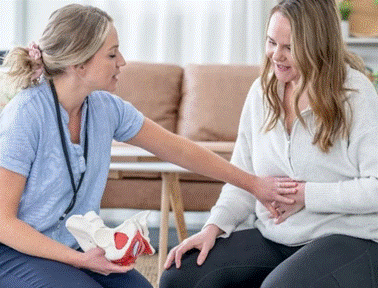
Your first appointment is an opportunity to discuss your birth experience, understand your symptoms and identify what you would like to improve.
Your physiotherapist may ask about:
- Your pregnancy and birth experience, including any tears, episiotomy or caesarean section
- Bladder symptoms, including leakage, urgency or difficulty emptying
- Bowel symptoms, constipation or difficulty controlling wind
- Pelvic pressure or sensations of heaviness
- Perineal discomfort, scar sensitivity or pain during sex
- Abdominal muscle function
- Your current activity levels and plans to return to exercise
- Your recovery so far and any concerns you may have
Depending on your symptoms, the physical assessment may include your breathing, posture, abdominal muscles, movement, strength and pelvic floor coordination.
An internal pelvic floor examination may sometimes be recommended to assess muscle function, tenderness and relaxation. However, it is not compulsory. Your physiotherapist should explain why it may be useful, discuss the available alternatives and obtain your informed consent.
The purpose is to understand your individual needs and create a plan that feels appropriate for you.
When Should You Seek Urgent Medical Advice?
Although many postpartum symptoms can be assessed in a routine appointment, some require prompt medical attention.
Contact your maternity team, GP or NHS 111 urgently if you experience symptoms such as:
- Difficulty passing urine or being unable to empty your bladder
- Increasing perineal pain, redness, swelling or foul-smelling discharge
- Fever or feeling generally unwell alongside pelvic or wound pain
- New or significant loss of bowel control
- A wound that appears to be opening
Seek emergency medical help for severe or rapidly worsening pain, heavy bleeding accompanied by feeling faint or unwell, or new saddle-area numbness, leg weakness or loss of bladder or bowel control that could indicate a serious neurological problem.
These symptoms may require medical investigation rather than physiotherapy alone.
Frequently Asked Questions
Is it normal to leak urine after having a baby?
Urine leakage is common after pregnancy and childbirth, particularly when coughing, sneezing or exercising. However, it is treatable and should not be dismissed as something you must accept. Pelvic floor assessment and appropriately supervised exercises may help.
How long does it take for the pelvic floor to recover after childbirth?
Recovery varies between individuals and depends on factors such as pregnancy, the birth experience, tissue healing and muscle function. Some changes improve over the first weeks and months, while other symptoms need targeted rehabilitation. There is no single deadline by which everyone should have recovered.
Can I have pelvic floor problems if I had a caesarean section?
Yes. Pregnancy itself places demands on the pelvic floor, so symptoms can occur regardless of delivery method. Abdominal surgery may also influence your movement and recovery.
Do I need to wait until my six-week check to see a pelvic floor physiotherapist?
No. If you are concerned about pain, leakage, pelvic heaviness or other symptoms, you can seek advice earlier. The appropriate timing of physical assessment and treatment depends on your healing and individual circumstances.
Should I strengthen my pelvic floor if I feel heaviness or pressure?
Not necessarily without first understanding your symptoms. Strengthening may be helpful for some women, but pelvic heaviness can have different causes, including pelvic organ prolapse. An assessment can help guide the most appropriate treatment.
Is pain during sex normal after childbirth?
Some discomfort may occur during recovery, particularly around a healing scar, and breastfeeding-related hormonal changes can contribute to dryness. However, persistent or significant pain should not simply be accepted. Assessment can help identify possible causes and treatment options.
Can pelvic floor physiotherapy help months or years after giving birth?
Yes. You do not have to be in the immediate postpartum period to benefit from an assessment. If you continue to experience leakage, pelvic pressure, pain or difficulties returning to exercise, pelvic health physiotherapy may still be appropriate.
A Holistic Approach to Postpartum Recovery
Recovering after childbirth involves much more than healing from birth itself.
Your body has adapted to pregnancy, your pelvic floor may have been stretched or injured, and your daily life has changed significantly. It is understandable that you may need time, support and guidance to feel comfortable in your body again.
Pelvic floor symptoms are common, but common does not mean inevitable or untreatable.
The goal is not simply to strengthen your pelvic floor or return to your pre-pregnancy routine as quickly as possible. It is to understand how your body is functioning, identify what may be contributing to your symptoms and help you progress towards your personal goals.
At My French Physio, our Women’s Health Physiotherapists take the time to understand your recovery, assess your pelvic health and develop an individual treatment programme based on your needs.
If you are experiencing pelvic floor problems after childbirth and are unsure what is normal, a Women’s Health Physiotherapy assessment can help you understand what is happening and what options are available.
You do not have to wait for symptoms to become severe, and you do not have to navigate your recovery alone.