Skip to content
Summary
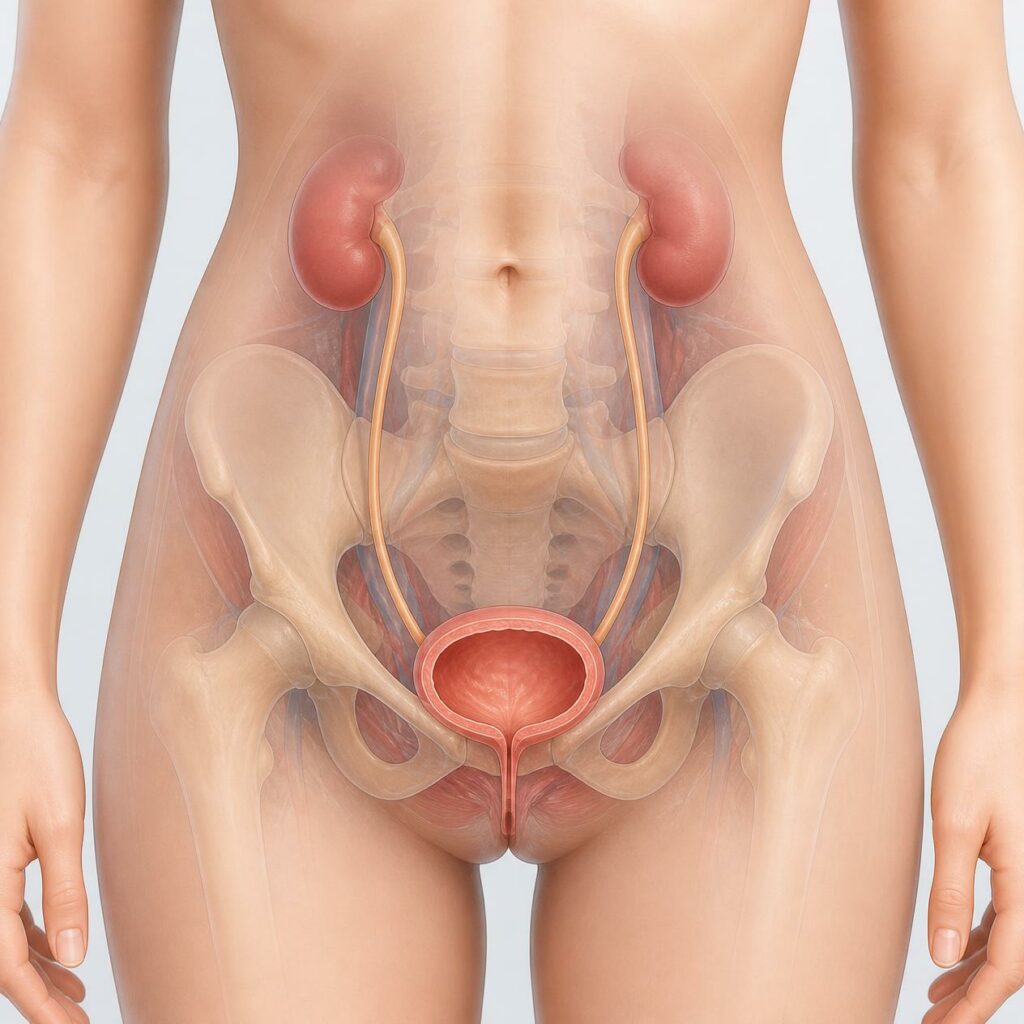
Bladder Pain Syndrome (BPS), also known as Interstitial Cystitis (IC), is a long-term condition characterised by pain, pressure or discomfort perceived to come from the bladder, often accompanied by urinary urgency and frequency. Unlike a urinary tract infection (UTI), there is usually no infection present, and urine tests are often normal.
Although symptoms can have a significant impact on daily life, Bladder Pain Syndrome is treatable. Physiotherapy plays an important role by addressing pelvic floor muscle dysfunction, improving bladder habits, reducing pain and helping people return to their normal activities.
At My French Physio, our Women’s and Men’s Health Physiotherapists carry out a comprehensive assessment to identify the factors contributing to your symptoms and create an individual treatment plan.
What is Bladder Pain Syndrome?
Bladder Pain Syndrome (BPS) is a chronic condition involving pain or discomfort related to the bladder that lasts for more than six weeks without evidence of infection or another identifiable cause.
Symptoms usually worsen as the bladder fills and may improve after passing urine, although this is not always the case.
Researchers now believe that BPS is not simply a bladder problem. In many people, symptoms involve a combination of bladder hypersensitivity, pelvic floor muscle dysfunction and increased sensitivity of the nervous system.
Every person’s experience is different, which is why treatment should always be individualised.
Symptoms
Symptoms vary between individuals and often fluctuate over time.
Common symptoms include:
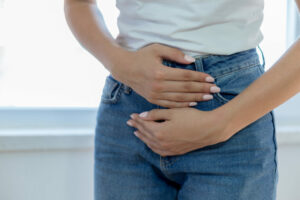
- Pain, pressure or discomfort in the bladder or lower abdomen
- Pain that increases as the bladder fills
- Relief after passing urine
- Urinary urgency
- Frequent urination during the day and night
- Burning discomfort despite negative urine tests
- Pelvic pain
- Pain during or after sexual intercourse
- Pain around the urethra, vulva, vagina, penis or perineum
- Lower back or groin pain
Many people also experience symptom flare-ups, which may be triggered by stress, certain foods, illness or hormonal changes.
Causes and Risk Factors
There is rarely a single cause of Bladder Pain Syndrome. Instead, symptoms usually develop due to a combination of factors.
Common contributors include:
- Increased sensitivity of the bladder lining
- Overactive or tense pelvic floor muscles
- Changes in how the nervous system processes pain (central sensitisation)
- Previous urinary tract infections
- Other chronic pelvic pain conditions such as endometriosis, vulvodynia or irritable bowel syndrome (IBS)
- Stress, which may increase muscle tension and pain sensitivity
Not everyone develops symptoms for the same reason, which is why a thorough assessment is essential.
What Bladder Pain Syndrome is NOT
Several conditions can cause similar symptoms.
Before diagnosing Bladder Pain Syndrome, other possible causes should be considered, including:
- Urinary tract infections
- Overactive bladder
- Kidney or bladder stones
- Endometriosis
- Pelvic floor muscle dysfunction
- Vulvodynia
- Chronic prostatitis or Chronic Pelvic Pain Syndrome
- Gynaecological or urological conditions
- Bladder cancer (rare but important to exclude)
Your physiotherapist will recognise when further medical investigation is required and refer you to the appropriate healthcare professional if necessary.
Red Flags: When Should You Seek Medical Help?
Although Bladder Pain Syndrome itself is not dangerous, some symptoms require urgent medical assessment.
Seek medical advice if you develop:
- Blood in the urine
- Fever or chills with urinary symptoms
- Severe back or kidney pain
- Difficulty passing urine
- New loss of bladder or bowel control
- Numbness around the saddle area
- Unexplained weight loss
- Persistent or rapidly worsening pain
These symptoms may indicate another condition requiring prompt medical investigation.
How is Bladder Pain Syndrome Diagnosed?
There is no single test that confirms Bladder Pain Syndrome.
Diagnosis is based on your symptoms, medical history and excluding other possible causes.
Your GP or specialist may perform:
- Urine tests
- Physical examination
- Bladder diary
- Ultrasound or cystoscopy if required
At My French Physio, your physiotherapist will assess factors that may be contributing to your symptoms, including:
- Pelvic floor muscle function
- Breathing pattern
- Hip and lower back mobility
- Core muscle function
- Bladder and bowel habits
- Lifestyle and activity levels
With your informed consent, an internal pelvic floor examination may also be recommended to assess muscle tone, coordination and tenderness.
How Physiotherapy Can Help
Physiotherapy is considered one of the first-line conservative treatments for Bladder Pain Syndrome, particularly when pelvic floor muscle dysfunction is present.
Rather than focusing only on the bladder, physiotherapy aims to identify all the factors contributing to your symptoms.
Treatment may include:
Education
Understanding your condition can reduce anxiety and help you manage symptoms more confidently.
We explain:
- How the bladder works
- Why symptoms occur
- What may trigger flare-ups
- How recovery usually progresses
Pelvic Floor Rehabilitation
Many people with Bladder Pain Syndrome have an overactive pelvic floor rather than a weak one.
Tight pelvic floor muscles may contribute to:
- Bladder pain
- Urinary urgency
- Pain during intercourse
- Difficulty relaxing to empty the bladder
Treatment focuses on restoring normal muscle relaxation and coordination before considering strengthening exercises if needed.
Manual Therapy
Hands-on treatment may help reduce muscle tension and improve movement around the pelvis.
Depending on your assessment, treatment may include:
- External soft tissue techniques
- Internal pelvic floor treatment (with your informed consent)
- Myofascial release
- Joint mobilisation where appropriate
Bladder Retraining
Many people begin emptying their bladder “just in case,” which can make the bladder more sensitive over time.
Bladder retraining aims to gradually increase the time between toilet visits and improve bladder capacity using safe, progressive strategies.
Lifestyle Advice
Your physiotherapist may discuss:
- Fluid intake
- Bladder irritants
- Managing constipation
- Sleep
- Stress management
- Activity modification during flare-ups
Rather than following strict dietary rules, we help you identify your own symptom triggers.
Exercise and Movement
Remaining active is important for recovery.
Depending on your symptoms, your physiotherapist may recommend:
- Walking programmes
- Hip mobility exercises
- Core control
- Gentle stretching
- Gradual return to the gym, running or other sports
Exercise programmes are always tailored to your symptoms and goals.
Exercises
Exercises should always be individualised.
Depending on your assessment, your physiotherapist may recommend:
- Diaphragmatic breathing
- Pelvic floor relaxation exercises
- Gentle hip stretches
- Lumbar mobility exercises
- Core stability exercises
- Walking programmes
- Bladder retraining techniques
Important: Pelvic floor strengthening (Kegel exercises) is not appropriate for everyone. If your pelvic floor muscles are already tight or overactive, strengthening them may worsen symptoms. A proper assessment is recommended before starting pelvic floor exercises.
Recovery Timeline
Recovery varies from person to person.
Many people notice gradual improvement over several weeks or months once the contributing factors are identified and treated.
Recovery depends on:
- How long symptoms have been present
- The severity of symptoms
- Pelvic floor muscle involvement
- Nervous system sensitivity
- Adherence to treatment
- Whether additional medical management is required
Improvement is usually gradual rather than immediate.
Prevention and Self-Management
Although Bladder Pain Syndrome cannot always be prevented, the following strategies may help reduce flare-ups:
- Avoid delaying or rushing urination
- Stay well hydrated
- Manage constipation
- Keep physically active
- Learn to relax the pelvic floor muscles
- Identify individual bladder triggers
- Follow your physiotherapy programme consistently
- Pace activities during flare-ups
Small changes performed consistently often make a meaningful difference.
Frequently Asked Questions
Is Bladder Pain Syndrome the same as a urinary tract infection?
No. Bladder Pain Syndrome is not caused by bacteria, so urine tests are usually negative.
Can physiotherapy cure Bladder Pain Syndrome?
Physiotherapy cannot cure the condition, but it can significantly reduce symptoms by addressing pelvic floor dysfunction, improving bladder habits and reducing pain sensitivity.
Should I stop exercising?
Usually not. Staying active is beneficial, although some activities may need to be modified during flare-ups.
Are Kegel exercises helpful?
Not always. Many people with Bladder Pain Syndrome have an overactive pelvic floor, and strengthening exercises may worsen symptoms. Assessment by a pelvic health physiotherapist is recommended first.
Can stress make symptoms worse?
Yes. Stress does not cause Bladder Pain Syndrome, but it can increase muscle tension and nervous system sensitivity, making symptoms feel worse.
Will I need medication?
Some people benefit from medication prescribed by their GP or specialist. Physiotherapy often complements medical treatment as part of a multidisciplinary approach.
A Multidisciplinary Approach
Some people improve with physiotherapy alone, while others benefit from support from several healthcare professionals.
Depending on your symptoms, your physiotherapist may work alongside your:
- GP
- Urologist
- Gynaecologist
- Pain specialist
- Pelvic pain consultant
- Dietitian
- Psychologist, when persistent pain is affecting emotional wellbeing
Medical treatments may include medication or bladder instillations where appropriate. Physiotherapy complements these treatments by improving movement, reducing muscle tension and restoring normal bladder and pelvic floor function.
Conclusion
Bladder Pain Syndrome is a complex but manageable condition that can have a significant impact on quality of life. Because its symptoms overlap with many other bladder and pelvic conditions, obtaining an accurate assessment is essential.
Physiotherapy aims to identify the factors contributing to your symptoms rather than focusing solely on the bladder. Through education, pelvic floor rehabilitation, movement, lifestyle advice and a personalised treatment programme, many people achieve meaningful improvements in pain, bladder function and confidence.
If you are experiencing persistent bladder pain, urinary urgency or frequency without an obvious cause, an assessment with a pelvic health physiotherapist can help determine whether pelvic floor dysfunction is contributing to your symptoms and guide you towards the most appropriate treatment.