Skip to content
Summary
Pain during sex is common, but that does not mean you simply have to put up with it.
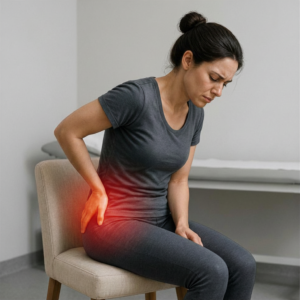
You may experience pain when penetration starts, deeper pelvic pain during sex, discomfort afterwards, or difficulty tolerating penetration at all. Sometimes the pain may feel like tightness, pressure, burning, aching or a feeling that your muscles are “clenching” without you consciously trying to.
There can be many different reasons for pain during sex. In some women, the pelvic floor muscles become overactive and have difficulty relaxing. In others, there may be changes in the tissues, hormonal factors, previous surgery, pelvic pain conditions, bladder or bowel symptoms, or other factors contributing to the problem.
Pelvic floor physiotherapy can be part of the treatment for some types of sexual pain. The aim is not simply to strengthen the pelvic floor. In fact, if your pelvic floor is already tense or overactive, doing more strengthening exercises may not be appropriate.
At My French Physio, our Women’s Health Physiotherapists look at the pelvic floor as part of the wider body. We assess your symptoms, movement, breathing, muscle coordination and, where appropriate, the pelvic floor itself to understand what may be contributing to your pain and create an individual treatment plan.
What Does Pain During Sex Actually Mean?
Pain during sex, sometimes called dyspareunia, can happen for many different reasons.
You might notice:
- Pain when penetration begins
- Difficulty tolerating penetration
- A feeling of tightness or resistance
- Burning or stinging around the vaginal opening
- Deep pelvic pain during penetration
- Aching or discomfort after sex
- Pelvic or vaginal pain that lasts for hours afterwards
- A feeling that your pelvic muscles are “clenching”
- Anxiety or anticipation because you expect sex to hurt
Pain can also change depending on the position, depth of penetration, menstrual cycle, stress levels or how your body is feeling that day.
Importantly, experiencing pain does not automatically mean that there is something “wrong” with your pelvic floor.
Your symptoms can provide useful clues, but they do not tell the whole story.
Can a Tight Pelvic Floor Cause Pain During Sex?
Yes, an overactive pelvic floor can be associated with pain during or after sex.
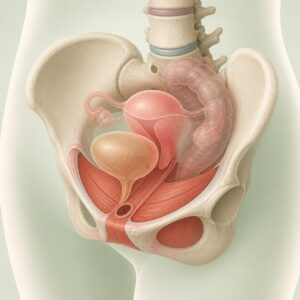
Your pelvic floor muscles need to be able to contract when you need support, but they also need to relax and lengthen.
During penetration and sexual activity, the muscles need to be able to adapt rather than remaining constantly contracted.
If the pelvic floor is already tense, it may become difficult for the muscles to relax when penetration occurs. This can contribute to pain, increased muscle guarding and difficulty tolerating penetration.
Some women describe feeling as though they are “clenching” their pelvic floor without consciously doing it.
A muscle that is constantly working is not necessarily a muscle that is functioning well.
Why Does the Pelvic Floor Become Overactive?
There is rarely one single explanation.
Pelvic floor tension can be associated with:
- Persistent pelvic pain
- Previous pelvic surgery
- Pregnancy or childbirth
- Previous painful sexual experiences
- Repeated episodes of pain or irritation
- Constipation or straining
- Stress and increased muscle guarding
- Changes in exercise or high training loads
- Hip or lower back problems
- Other pelvic or gynaecological conditions
Sometimes the muscles become protective in response to pain or irritation.
This can create a cycle:
Pain → muscle tension → increased sensitivity → more pain
This does not mean that the pain is “in your head”. Pelvic pain is real, and the nervous system, muscles, joints and internal organs can all influence how the pelvic area feels and functions.
Does Pain During Sex Always Come From the Pelvic Floor?
No.
This is an important part of understanding sexual pain.
Pain during sex can have different contributing factors, and pelvic floor muscle tension may be only one part of the picture.
Depending on your symptoms, other factors may need to be considered, including changes in the vaginal or vulval tissues, hormonal changes, bladder or bowel symptoms, pelvic conditions, previous surgery or other gynaecological causes.
This is why pelvic floor physiotherapy should not be about assuming that every case of painful sex is caused by a “tight pelvic floor”.
A proper assessment helps determine what may be contributing to your symptoms and whether physiotherapy is appropriate.
How Can Pelvic Floor Physiotherapy Help?
If your assessment suggests that pelvic floor overactivity or poor muscle coordination is contributing to your symptoms, treatment may focus on helping your body learn to relax and move more comfortably.
Breathing and Relaxation
Your breathing and pelvic floor are closely connected.
Some women unknowingly hold tension in their abdominal and pelvic muscles, particularly when they are anticipating pain.
Your physiotherapist may teach you breathing strategies and relaxation exercises designed to reduce unnecessary pelvic floor tension.
The goal is to help you recognise when you are holding tension and learn how to let the muscles relax.
Pelvic Floor Relaxation
Pelvic floor rehabilitation is not always about strengthening.
If your muscles are overactive, you may need to learn how to lengthen and relax them.
This can be particularly important if you experience:
- Pain with penetration
- Difficulty tolerating penetration
- Pelvic pressure or tension
- Pain after sex
- Difficulty relaxing your pelvic floor
- Other pelvic pain symptoms
Manual Therapy
Where appropriate, hands-on treatment may be used to address muscle tension and improve movement around the pelvis.
This may include external soft tissue techniques and, when appropriate and with informed consent, internal pelvic floor treatment.
An internal examination or treatment is not compulsory.
Your physiotherapist should explain why it may be recommended, what it involves and obtain your informed consent. You should never feel pressured to have an internal examination.
Hip and Lower Back Assessment
Your pelvic floor does not work in isolation.
Your physiotherapist may also assess your hips, pelvis and lower back and include mobility or movement exercises as part of your treatment.
The aim is to understand how the different parts of your body are working together rather than focusing on one muscle in isolation.
Gradual Exposure and Return to Comfortable Sexual Activity
If penetration has become painful, you may understandably start to avoid it or become worried that it will hurt again.
Treatment can include strategies to gradually rebuild your confidence and tolerance, depending on your symptoms and goals.
The aim is not to push through pain.
Instead, the focus is on understanding your symptoms, reducing unnecessary muscle guarding and gradually helping your body feel safer and more comfortable.
Should I Do Kegels If Sex Is Painful?
Not necessarily.
Pelvic floor strengthening exercises can be very helpful when the muscles need more strength or control.
However, if your pelvic floor is already overactive or tight, repeatedly contracting the muscles may aggravate your symptoms.
This is why doing hundreds of Kegels because you have been told that “pelvic floor exercises are good for women” is not always the right approach.
Your pelvic floor needs to be able to contract and relax.
The right treatment depends on what your muscles actually need.
What Happens During a Pelvic Health Physiotherapy Assessment?
Your first appointment is an opportunity to understand what you are experiencing.
Your physiotherapist may ask about:
- Where you feel the pain
- When the pain starts
- Whether the pain occurs with initial or deeper penetration
- How long the pain lasts afterwards
- Your menstrual cycle
- Bladder and bowel symptoms
- Previous pregnancies or childbirth
- Previous pelvic surgery or injuries
- Previous painful experiences involving the pelvis
- Your exercise and movement habits
- What you would like to be able to do comfortably again
They may also assess:
- Your breathing
- Posture and movement
- Hip and lower back function
- Abdominal muscle control
- Pelvic floor contraction
- Pelvic floor relaxation
- Muscle coordination
- Areas of tenderness or increased tension
With your informed consent, an internal pelvic floor examination may sometimes be recommended.
This can provide useful information about muscle tone, tenderness, contraction and relaxation. However, it should only be performed when appropriate and when you are comfortable with it.
Will Pelvic Floor Physiotherapy Make Sex Less Painful?
For some women, pelvic floor physiotherapy can help when pelvic floor muscle tension, poor relaxation or muscle coordination are contributing to sexual pain.
However, treatment depends on the cause of your symptoms.
The goal is not simply to “release a tight muscle”.
It may involve understanding the factors contributing to your pain, improving pelvic floor relaxation, addressing movement or breathing patterns, working on muscle coordination and gradually rebuilding tolerance.
Sometimes physiotherapy is one part of a wider approach, and your physiotherapist may recommend working alongside your GP, gynaecologist or another healthcare professional.
What If I Have Been Experiencing Pain During Sex For A Long Time?
You do not need to wait until the pain becomes severe before asking for help.
If sex has become something you avoid because you are expecting it to hurt, it is understandable that this can affect your confidence, relationships and quality of life.
Persistent pelvic symptoms deserve appropriate assessment.
You also do not have to know exactly what is causing the pain before making an appointment.
That is what the assessment is for.

Frequently Asked Questions:
Can a tight pelvic floor cause pain with penetration?
It can. An overactive pelvic floor may have difficulty relaxing and lengthening during penetration, which can contribute to pain or difficulty tolerating penetration. However, sexual pain can have other causes too, so an appropriate assessment is important.
Should I stop having sex if it hurts?
You should not feel that you have to push through pain. If a particular activity is painful, your physiotherapist can help you understand your symptoms and work towards improving comfort and tolerance gradually.
Do I need an internal examination?
Not necessarily.
An internal assessment can provide useful information in some cases, but it is never something you should feel pressured to do. Your physiotherapist should explain why it may be recommended and obtain your informed consent.
Will I need to do pelvic floor exercises?
Not automatically.
If your pelvic floor is overactive, treatment may initially focus more on relaxation, breathing and coordination rather than strengthening.
Can pelvic floor physiotherapy help with vaginismus?
Pelvic floor physiotherapy may form part of the management of symptoms involving difficulty or pain with penetration, including pelvic floor muscle overactivity. However, the underlying causes can vary, so an individual assessment is important.
Is painful sex normal after having a baby?
Pelvic symptoms can change after pregnancy and childbirth, but ongoing or significant pain during sex should not simply be accepted as something you have to live with.
A pelvic health assessment can help identify factors that may be contributing to your symptoms.
Is pelvic floor physiotherapy only for women after childbirth?
Absolutely not.
Pelvic health physiotherapy can be useful at many stages of life, including before and during pregnancy, after childbirth, around menopause and beyond.
It can also help with pelvic pain, sexual pain, bladder and bowel symptoms and difficulties related to pelvic floor muscle coordination.
When Should You Seek Medical Advice?
Pain during sex should be assessed if it is persistent, severe, unexplained or affecting your daily life.
You should seek medical attention if you experience symptoms such as:
- Unexplained vaginal bleeding
- Severe or worsening pelvic pain
- Fever or feeling generally unwell alongside pelvic pain
- Blood in your urine or stool
- New loss of bladder or bowel control
- Numbness around the saddle area
- Progressive weakness in the legs
- Severe pain following significant trauma
- Severe or worsening pain during pregnancy or after childbirth
These symptoms can have causes that require medical investigation rather than physiotherapy alone.
A Multidisciplinary Approach
Pain during sex does not always have a single cause.
Depending on your symptoms, your physiotherapist may work alongside your GP, gynaecologist or another healthcare professional.
Physiotherapy can form one part of a wider approach to improving pelvic health and quality of life.
The goal is not simply to label your pelvic floor as “tight”.
The goal is to understand why it may be behaving the way it is, what else may be contributing to your symptoms, and what your body needs to function more comfortably.
Conclusion
Pain during sex is common, but you do not have to simply accept it as something you have to live with.
Your pelvic floor needs to be able to contract, relax, lengthen and coordinate with the rest of your body. If the muscles are overactive or unable to relax, this may contribute to pain during penetration or sexual activity.
Pelvic floor physiotherapy can help identify whether muscle tension, poor relaxation or coordination may be contributing to your symptoms and develop an individual treatment plan.
If you are experiencing pain during sex and are unsure where to start, a Women’s Health Physiotherapy assessment can help you understand what may be happening and what options are available.
At My French Physio, we take the time to understand your symptoms, your goals and the factors contributing to them before creating a personalised treatment programme.